
UNC Faces Lawsuit Alleging Secret Belichick Hiring: Open Meetings Law Violated?
Sep
UNC Faces Lawsuit Alleging Secret Belichick Hiring: Open Meetings Law Violated?
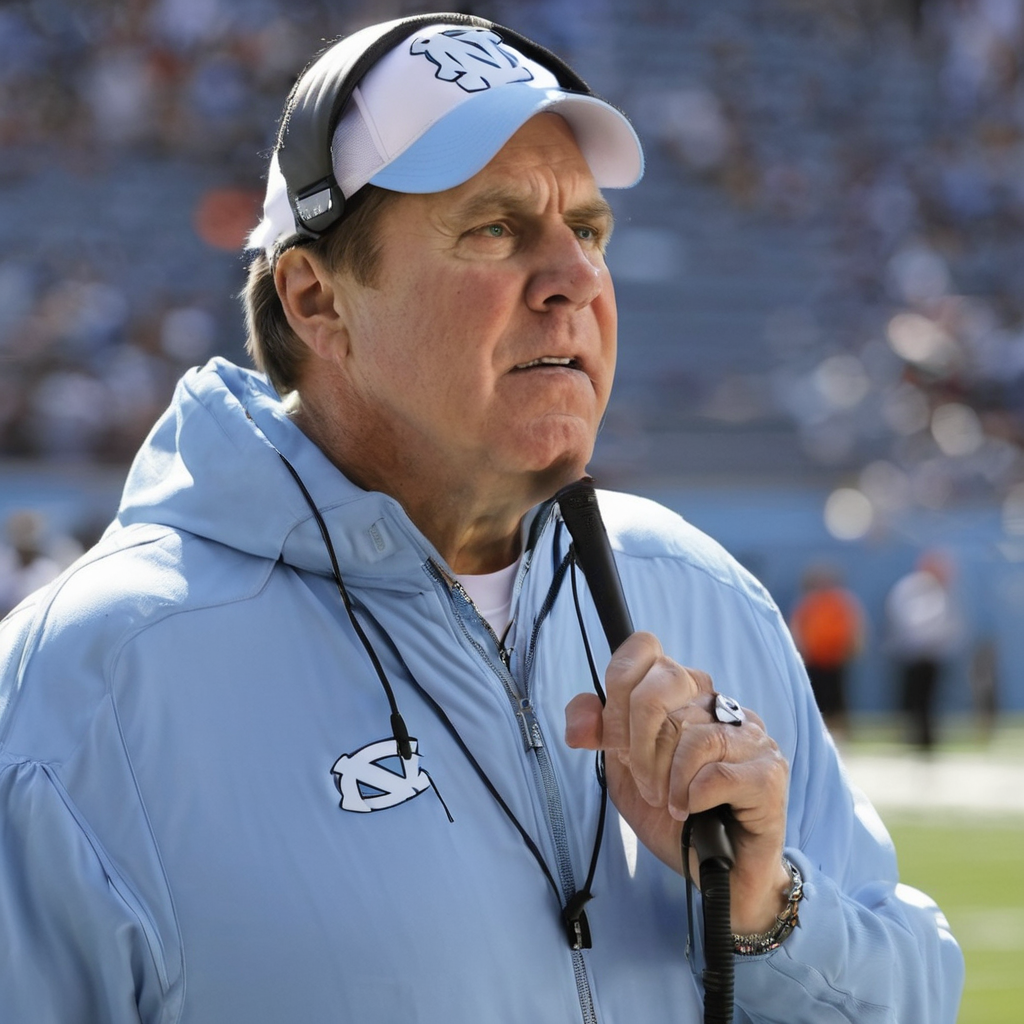
The University of North Carolina at Chapel Hill is embroiled in a new legal battle, this time stemming from allegations that the institution and its board of trustees illegally circumvented open meetings laws during discussions and the eventual hiring of legendary football coach Bill Belichick. A lawsuit, filed by a former UNC administrator, claims that the decision to bring Belichick on board was made behind closed doors, effectively shielding the process from public scrutiny and violating transparency mandates.
The lawsuit not only challenges the alleged secrecy surrounding the Belichick hire but also raises broader concerns about UNC’s adherence to open meetings laws in general. The plaintiff contends that the university has a “pattern and practice” of concealing sensitive information from the public, specifically citing discussions related to potential conference realignment. This accusation paints a picture of an institution allegedly prioritizing internal maneuvering over its legal obligations to operate transparently and engage with the community it serves.
Open meetings laws are designed to ensure that governmental bodies conduct their business in a public forum, allowing citizens to observe and participate in the decision-making process. These laws are fundamental to democratic governance, promoting accountability and preventing corruption by shining a light on the actions of public officials. Violations of these laws can have significant consequences, including legal challenges, reputational damage, and a loss of public trust.
The implications of this lawsuit extend beyond the specific case of the Belichick hiring. If the court finds that UNC did indeed violate open meetings laws, it could set a precedent that forces the university to re-evaluate its internal procedures and adopt stricter measures to ensure transparency in all future deliberations. Furthermore, the lawsuit could embolden other individuals or groups to challenge UNC’s actions, potentially leading to further legal battles and greater public scrutiny.
The University of North Carolina has yet to issue a comprehensive statement on the lawsuit, but it is expected that they will vigorously defend their actions in court. The legal proceedings are likely to be lengthy and complex, with both sides presenting evidence and arguments to support their respective positions. The outcome of this case will undoubtedly have a significant impact on the future of UNC and its relationship with the public.
The broader questions raised by this lawsuit about transparency and accountability in higher education are increasingly relevant in today’s society. As universities become more complex and influential institutions, it is crucial that they operate with integrity and adhere to the principles of open governance.