
Ryder Cup Political Divide: Trump’s Presence Sparks Debate, Hochul Booed
Sep
Ryder Cup Political Divide: Trump’s Presence Sparks Debate, Hochul Booed
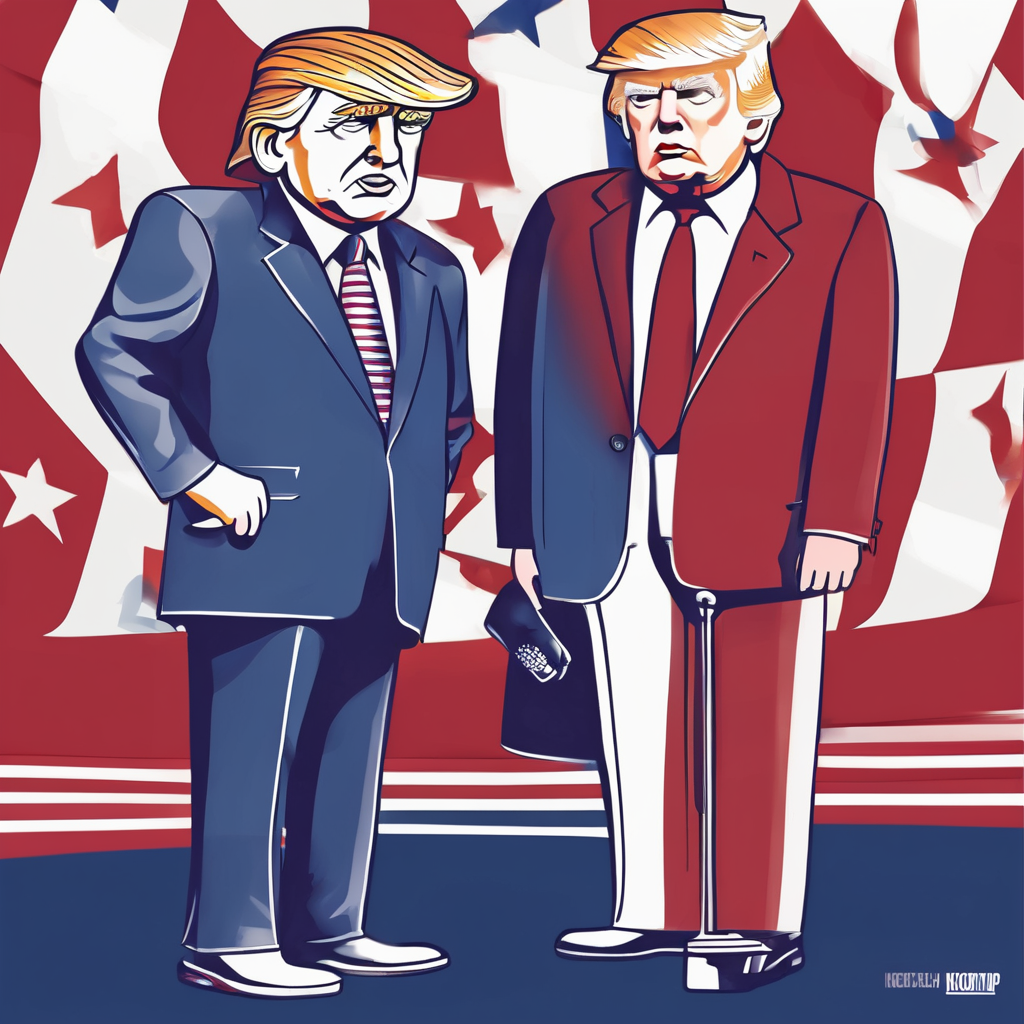
The 2023 Ryder Cup, intended as a celebration of international golf competition, found itself unexpectedly embroiled in political discourse as former President Donald Trump’s presence and the crowd’s reaction to New York Governor Kathy Hochul became talking points.
Reports indicate that Governor Hochul was met with a chorus of boos upon her arrival at the event. While the exact reasons for the jeering remain debated, many observers attribute it to the overwhelmingly conservative leanings of a significant portion of the gallery. This incident quickly sparked online discussion, with social media platforms buzzing with opinions on the appropriateness of such a reaction at a sporting event.
The presence of Donald Trump further amplified the political undertones. While some attendees welcomed him warmly, others voiced concerns about the injection of politics into a competition meant to foster international goodwill and sportsmanship. This division highlighted a broader trend of political polarization influencing even seemingly apolitical events.
The Ryder Cup, traditionally a showcase of national pride and athletic prowess, now faces questions about its ability to remain insulated from the ever-present political landscape. While sporting events have often been used as platforms for expressions of national identity, the increasingly partisan atmosphere raises concerns about the potential for such expressions to overshadow the sporting competition itself.
The incident involving Governor Hochul serves as a stark reminder of the deep divisions within American society. The Ryder Cup, intended to unite fans in their passion for golf, instead became a stage for the expression of political discontent. This raises the question: how can sporting events navigate the increasingly polarized political climate and maintain their focus on athletic achievement and international collaboration?
Moving forward, organizers of sporting events will likely need to be more mindful of the potential for political demonstrations and develop strategies to ensure that the focus remains on the athletes and the competition itself. The future of sporting events as a unifying force may depend on their ability to navigate the complexities of the modern political landscape.