
Ryder Cup 2023: Political Undercurrents and Fan Reactions Explained
Sep
Ryder Cup 2023: Political Undercurrents and Fan Reactions Explained
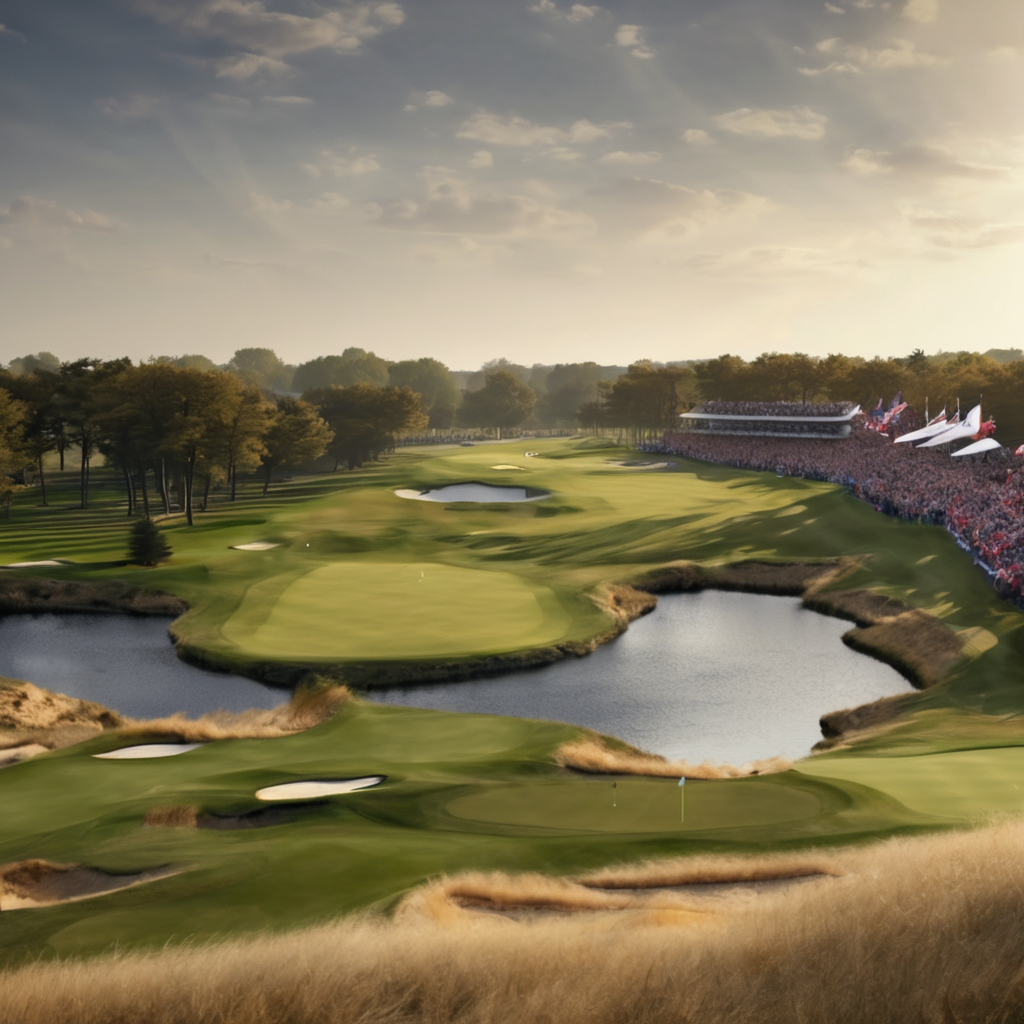
The 2023 Ryder Cup, held at the Marco Simone Golf & Country Club in Italy, was intended to be a celebration of golf and international sportsmanship. However, like many large public gatherings in recent years, the event became a stage for the subtle yet palpable presence of political sentiment. Reports quickly surfaced regarding the crowd’s reaction to appearances by prominent political figures, most notably former President Donald Trump.
While the event is ostensibly non-political, the passionate nature of sports fandom often spills over into other aspects of life. The immediate and rather vocal disapproval directed towards New York Governor Kathy Hochul upon her appearance suggests a significant portion of the crowd held political leanings at odds with her policies and affiliation. This, coupled with the subsequent enthusiastic reception given to signals perceived to align with President Trump, painted a picture of a crowd with a noticeable political bent.
It’s important to understand the factors contributing to this dynamic. First, major sporting events attract a diverse audience from various socio-economic and political backgrounds. Second, the increasing polarization of political discourse in recent years has made it nearly impossible to completely separate any large gathering from political undertones. Finally, the sheer visibility and media coverage afforded to the Ryder Cup amplified any reactions that might have otherwise gone unnoticed.
The question then becomes: why such a strong political presence at a golf tournament? While definitive answers are elusive, several hypotheses can be offered. The Ryder Cup attracts a demographic that is often stereotyped as leaning conservative, although this is a generalization and certainly not universally true. Furthermore, the perceived elitism often associated with golf may contribute to a sense of frustration amongst those who feel unheard or misrepresented by mainstream political figures. The opportunity to express these frustrations, even in a seemingly unrelated setting, can be a powerful draw.
Ultimately, the political reactions observed at the 2023 Ryder Cup underscore the complex and often unpredictable interplay between sports, politics, and public sentiment. While the primary focus should undoubtedly remain on the competition and the athletes, ignoring the undercurrents of political expression would be a disservice to a comprehensive understanding of the event and its broader significance. Future organizers would be well-advised to consider these dynamics in their planning and communication strategies to ensure a positive and inclusive experience for all attendees.