
Ryder Cup 2023: Fan Behavior, Political Undertones, and the Future of Golf Spectatorship
Sep
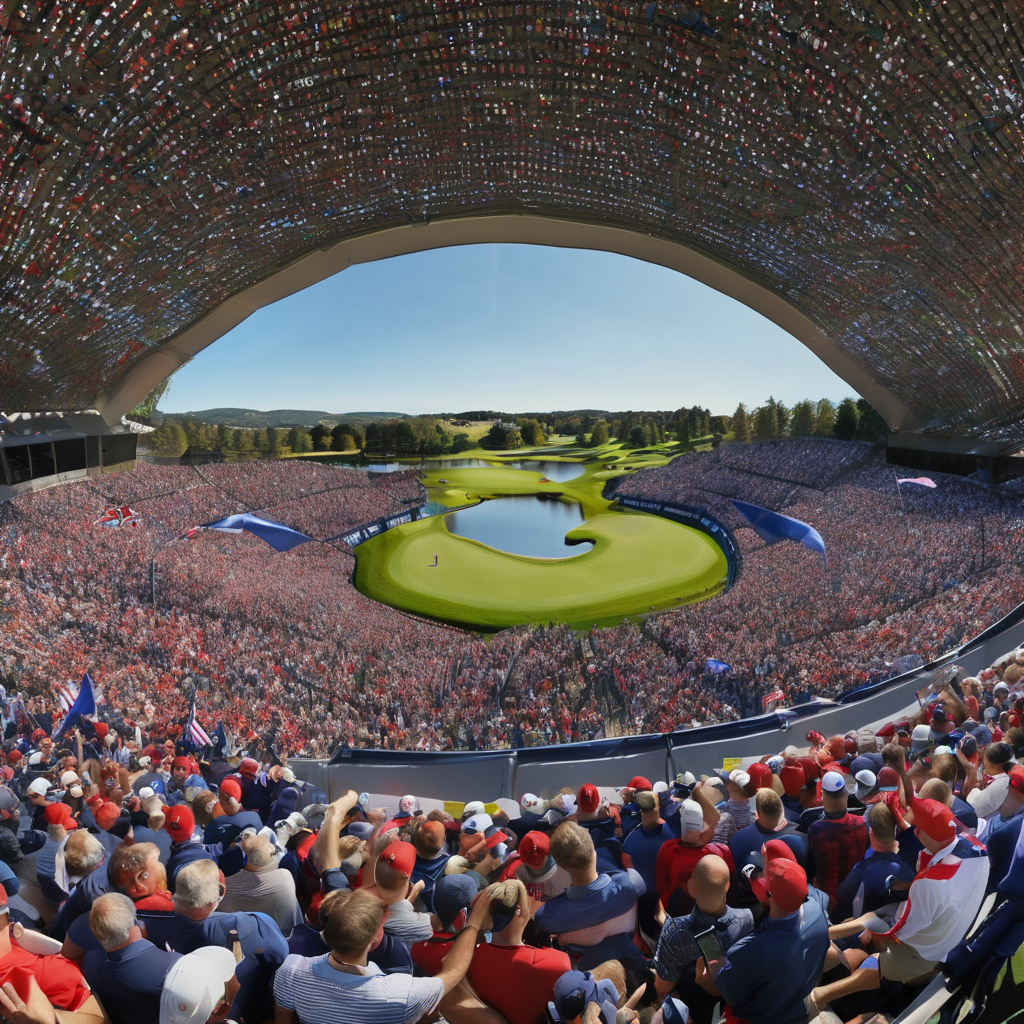
The 2023 Ryder Cup, held at the Marco Simone Golf & Country Club near Rome, Italy, was undeniably a thrilling spectacle. Europe’s dominant victory over the United States provided a captivating narrative on the course. However, off the course, the event sparked a different kind of discussion, one centered around fan behavior and the increasing presence of political undertones in sporting events.
Reports surfaced regarding the crowd’s reaction to various figures, including visiting dignitaries. While European fans were largely supportive of their team, certain reactions raised eyebrows. The reported booing of New York Governor Kathy Hochul, alluded to in other media outlets, highlighted a potential divide within the American contingent present at the event and suggested a political leaning within a segment of the crowd.
The presence of such political undertones at a sporting event, especially one historically known for its display of sportsmanship and international camaraderie, raises important questions. Is this a sign of a growing trend of political polarization infiltrating even recreational spaces? Or is it merely an isolated incident amplified by social media and the current political climate?
More broadly, the Ryder Cup incident shines a light on the evolving nature of golf spectatorship. Traditionally, golf crowds are known for their respectful silence and appreciation for the game’s etiquette. However, in recent years, there’s been a noticeable shift towards a more vocal and engaged fanbase, mirroring the atmosphere of other major sporting events. While enthusiasm is welcomed, there’s a fine line between passionate support and disruptive behavior. Tournament organizers face the challenge of fostering a vibrant atmosphere while maintaining a respectful environment for both players and fellow spectators.
Looking ahead, golf organizations and tournament organizers may need to re-evaluate their strategies for managing crowd behavior. This could involve clearer codes of conduct, increased security presence, or even educational campaigns emphasizing the importance of respect and sportsmanship. Furthermore, discussions about the appropriateness of political displays within sporting events need to be had, with a focus on ensuring inclusivity and preventing the alienation of fans with diverse viewpoints. Ultimately, the future of golf spectatorship hinges on finding a balance between passionate engagement and respectful conduct, ensuring that the focus remains on the sport itself and the remarkable athletes who compete on the world stage.