
Mac Jones Trade Value: Analyzing the 49ers’ Backup QB Situation and Potential Moves
Sep
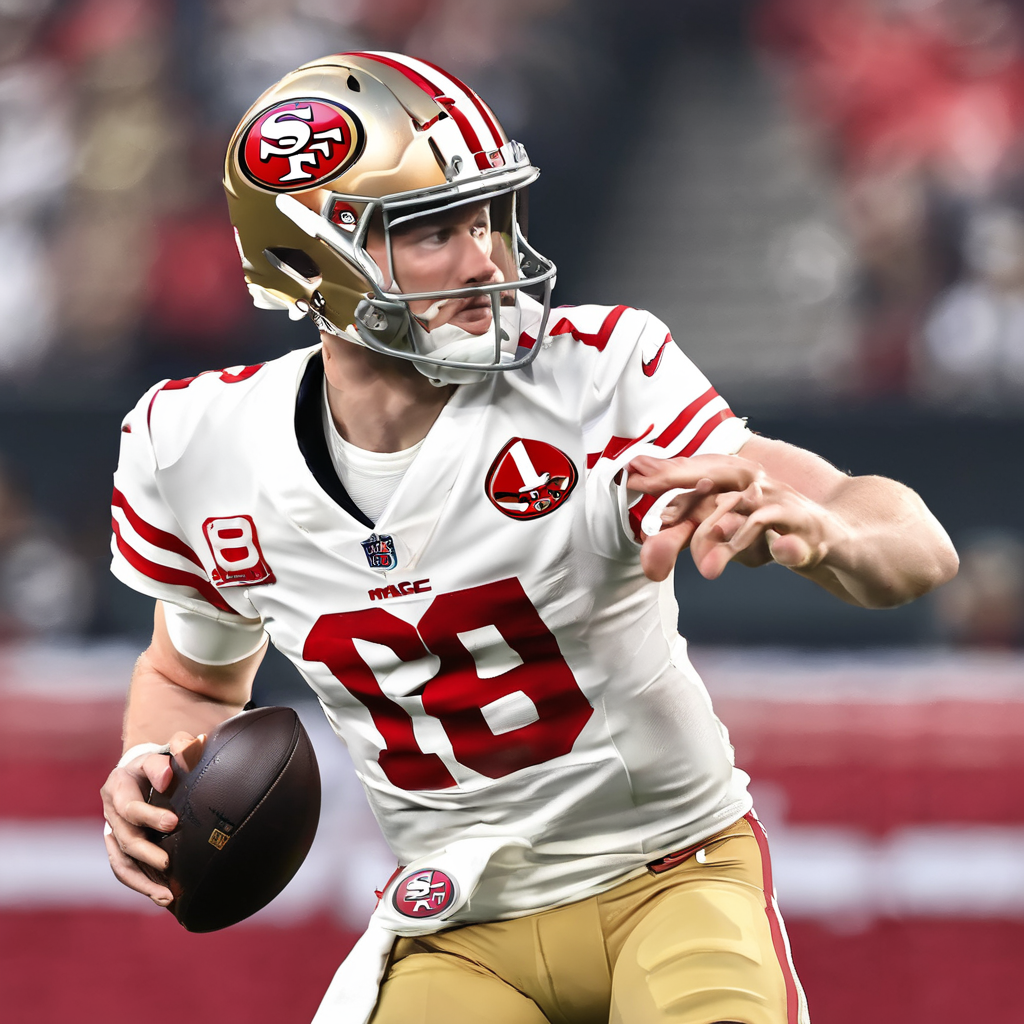
The San Francisco 49ers’ quarterback room is currently a topic of much discussion, and for good reason. While Brock Purdy has cemented his role as the undisputed starter and is locked in for the foreseeable future, the emergence of Mac Jones as a reliable backup has created an intriguing dilemma: what to do with him moving forward? This article dives into Mac Jones’ current trade value, the factors influencing it, and potential scenarios for the 49ers.
Jones’ performance, particularly mimicking the poise and effectiveness he showed against the Saints, has undoubtedly piqued the interest of other teams. A starting-caliber quarterback sitting on the bench, especially one still relatively young and with experience, is a valuable asset. Teams struggling at the quarterback position or those seeking a reliable backup with starting potential could view Jones as an attractive acquisition.
Several factors will determine Jones’ trade value. Firstly, his consistency. One or two good performances aren’t enough to command a significant return. Continued solid play in the backup role, demonstrating an understanding of the 49ers’ offense and the ability to execute effectively under pressure, will significantly increase his perceived worth. Secondly, the landscape of other available quarterbacks. The upcoming draft class, free agency, and potential veteran quarterbacks on the trade block all influence the demand for Jones. If the quarterback market is saturated, his value may be diminished. Conversely, if teams are desperate for a quarterback, the 49ers could capitalize on that need.
Potential trade partners could include teams with uncertain quarterback situations, such as the New York Giants if they move on from Daniel Jones, or teams looking for a high-quality backup that can push their current starter like the Denver Broncos. The type of return the 49ers could expect is difficult to pinpoint. A mid-round draft pick, potentially a 3rd or 4th rounder, seems a reasonable starting point, but this could fluctuate depending on the factors mentioned above. The 49ers could also package Jones in a larger trade to acquire a player at a position of need.
Ultimately, the 49ers’ decision regarding Mac Jones hinges on their assessment of his long-term value to the team versus the potential return they could receive in a trade. While having a capable backup is crucial, the allure of acquiring draft capital to further bolster their roster may prove too tempting to resist. Keeping a close eye on Jones’ performance and the evolving quarterback market will be critical for the 49ers as they navigate this interesting situation.